
Quando o Offline Cura: A Redescoberta do Tempo Real nas Cidades Conectadas

O Silêncio que a Cidade Não Oferece

Nas grandes cidades, a conexão é constante — e quase compulsória. As notificações ditam o ritmo, os algoritmos preveem desejos, e o tempo real se confunde com o tempo digital. Entre compromissos, alertas e respostas instantâneas, o espaço para simplesmente existir parece desaparecer. Mesmo quando o corpo descansa, a mente continua online, navegando em mil abas invisíveis.

A hiperconexão cobra um preço silencioso: ansiedade, fadiga mental e a perda da sensação de tempo vivido. Estar sempre “disponível” nos fragmenta em múltiplas presenças e, paradoxalmente, nos distancia de nós mesmos. É nesse cenário que o offline ressurge não como nostalgia, mas como cura — um antídoto moderno contra o excesso de estímulos.

Este texto é um convite para revisitar o real. Vamos explorar como os momentos de desconexão podem restaurar o corpo, o foco e o afeto em meio ao caos urbano. Não se trata de rejeitar a tecnologia, mas de recuperar o poder de escolher quando estar presente — e quando simplesmente pausar. Porque nas pausas, o tempo deixa de correr e começa, enfim, a existir.

O Colapso da Atenção: Quando o Mundo Não Desliga Mais

Nas metrópoles hiperconectadas, a atenção tornou-se o bem mais escasso. Cada notificação disputa segundos de foco, cada som digital fragmenta a presença. O resultado é uma sensação de exaustão invisível — não física, mas cognitiva. Vivemos em um estado de alerta contínuo, prontos para reagir, mas incapazes de simplesmente estar.

A cidade amplifica esse ruído. Painéis luminosos, anúncios, telas em movimento e o som das mensagens se somam em um coro incessante. O cérebro, sobrecarregado, responde com fadiga, irritabilidade e uma inquietude constante. A conexão permanente, antes símbolo de liberdade, transformou-se em prisão de estímulos.

Recuperar o foco é o primeiro passo do processo de cura. O offline, nesse contexto, não é ausência de informação, mas reconquista da própria mente. Quando desligamos, mesmo por instantes, redescobrimos o prazer de uma atenção inteira — aquela que enxerga detalhes, sente o tempo e respira entre as tarefas.

O Paradoxo da Presença: Conectados e Distantes ao Mesmo Tempo

Nunca estivemos tão próximos e, ao mesmo tempo, tão ausentes. O toque de uma mensagem atravessa fronteiras, mas enfraquece a presença diante de quem está ao lado. Vivemos em duplicidade: o corpo aqui, a mente em outro lugar. A atenção se tornou o novo campo de disputa emocional das cidades.

A presença digital promete vínculos, mas muitas vezes entrega dispersão. Reuniões mediadas por telas, conversas interrompidas por notificações, encontros mediados por algoritmos — tudo cria uma sensação de estar “com” sem realmente estar “em”. Essa superficialidade gera solidão, mesmo cercados de gente.

O retorno ao offline é, portanto, uma tentativa de reconexão genuína. Desligar o celular em um café, olhar nos olhos sem distrações ou caminhar sem fones de ouvido são gestos revolucionários. Pequenos silêncios restauram o espaço interno e revelam algo essencial: a presença não depende de conexão, mas de entrega.

O Tempo que Escapa: a Ilusão da Produtividade Constante

A cidade moderna nos ensinou a medir o valor da vida em produtividade. Mas quando o tempo é consumido em notificações, respostas instantâneas e tarefas simultâneas, ele deixa de ser vivido — apenas administrado. A pressa virou status, e o descanso, quase uma culpa.

As telas prometem otimização, mas nos prendem em ciclos de aceleração. Aplicativos de agenda, lembretes e multitarefas multiplicam o que temos que fazer, sem ampliar o que somos capazes de sentir. Trabalhamos até tarde, mas a sensação é de vazio: tempo ocupado, mas não preenchido.

O offline devolve densidade ao tempo. Sem a interferência constante das telas, as horas retomam textura, e o dia ganha ritmo orgânico. A pausa, antes vista como improdutiva, passa a ser o espaço onde a vida realmente acontece. Desligar é, paradoxalmente, a forma mais inteligente de voltar a viver com tempo real.

O Corpo Desconectado: Redescobrindo o Ritmo Biológico

As telas impõem um tempo que o corpo não reconhece. O dia deixa de seguir o ciclo da luz natural e passa a obedecer ao brilho frio das notificações. Dormimos tarde, com a mente ainda ligada ao fluxo de informações, e acordamos cansados antes mesmo de começar. O corpo urbano vive acelerado, mas paradoxalmente exausto.

Ao se desconectar, recuperamos o compasso natural do organismo — o ritmo de respirar, caminhar e sentir o tempo real. A ausência de estímulo digital devolve espaço para o silêncio, e o silêncio permite escutar o próprio corpo. Pequenas pausas — olhar pela janela, sentir o vento, preparar o café com calma — tornam-se rituais de reconexão com a matéria da vida.

Desligar-se, nesse sentido, não é fuga, mas retorno. É lembrar que o corpo tem um tempo próprio, mais lento e sábio que qualquer algoritmo. Quando deixamos a mente acompanhar esse ritmo, o mundo volta a ter textura, temperatura e densidade. O offline é, acima de tudo, um reencontro com o corpo que habita o presente.

O Corpo Desconectado: Redescobrindo o Ritmo Biológico

As telas impõem um tempo que o corpo não reconhece. O dia deixa de seguir o ciclo da luz natural e passa a obedecer ao brilho frio das notificações. Dormimos tarde, com a mente ainda ligada ao fluxo de informações, e acordamos cansados antes mesmo de começar. O corpo urbano vive acelerado, mas paradoxalmente exausto.

Ao se desconectar, recuperamos o compasso natural do organismo — o ritmo de respirar, caminhar e sentir o tempo real. A ausência de estímulo digital devolve espaço para o silêncio, e o silêncio permite escutar o próprio corpo. Pequenas pausas — olhar pela janela, sentir o vento, preparar o café com calma — tornam-se rituais de reconexão com a matéria da vida.

Desligar-se, nesse sentido, não é fuga, mas retorno. É lembrar que o corpo tem um tempo próprio, mais lento e sábio que qualquer algoritmo. Quando deixamos a mente acompanhar esse ritmo, o mundo volta a ter textura, temperatura e densidade. O offline é, acima de tudo, um reencontro com o corpo que habita o presente.

A Mente Saturada: Excesso de Dados, Escassez de Sentido

Vivemos mergulhados em um mar de informações, mas com fome de significado. A avalanche de dados preenche cada segundo com estímulos, mas raramente com conteúdo que nutre. O resultado é uma mente sempre ativa e nunca serena — pronta para consumir, mas incapaz de digerir.

O excesso informacional cria uma ilusão de conhecimento. Acreditamos estar atualizados, mas estamos apenas sobrecarregados. A velocidade com que as notícias e tendências chegam impede a reflexão, substituindo a profundidade por volume. Pensar com calma, hoje, é quase um ato de resistência.

Ao optar por períodos offline, filtramos ruídos e redescobrimos o valor da assimilação lenta. Livros, conversas reais e momentos de introspecção recuperam o espaço perdido para o imediatismo. A mente precisa de pausas tanto quanto o corpo precisa de sono. É na quietude que o pensamento amadurece — e o saber se transforma em sabedoria.

O Retorno do Tédio: o Espaço Fértil da Criatividade

O tédio sempre teve má fama nas cidades modernas, associando-se à ociosidade e à falta de propósito. Mas o tédio é, na verdade, o intervalo fértil entre estímulo e criação. Quando deixamos o celular de lado e enfrentamos o silêncio, algo dentro de nós começa a se reorganizar.

O cérebro, acostumado ao bombardeio constante de novidades, precisa de tempo vazio para processar ideias. É nesses momentos sem distração que as conexões criativas emergem, que as soluções aparecem e que a imaginação desperta. O tédio não é ausência de sentido — é o terreno onde o novo germina.

Nas metrópoles, permitir-se o tédio é um ato subversivo. Caminhar sem destino, esperar sem rolar a tela, olhar o céu sem fotografar — tudo isso devolve à mente o direito de sonhar. O offline cura porque cria lacunas. E é nas lacunas que a criatividade volta a respirar.

Espaços de Silêncio: o Offline como Refúgio Dentro da Cidade

Desconectar-se não exige uma cabana isolada ou uma viagem para o campo. O refúgio pode existir dentro da própria cidade — e, muitas vezes, dentro de casa. Criar zonas de silêncio digital é como abrir janelas internas em meio ao ruído urbano. Um canto sem telas, uma rotina matinal sem notificações, um café saboreado em silêncio podem se tornar exercícios de presença.

Em apartamentos pequenos, o simples ato de colocar o celular em outra sala durante o jantar já muda o ritmo da mente. Caminhar sem fones de ouvido, escutar o som da rua ou do próprio respirar torna-se uma forma de meditação informal. O corpo se acalma, o tempo desacelera e o espaço parece expandir-se.

O silêncio é o primeiro passo da cura digital. Ele não precisa ser absoluto — basta ser intencional. Em meio ao caos das metrópoles, desligar é um gesto de resistência suave, uma recusa à pressa coletiva. O offline, nesse contexto, não é isolamento: é reconquista da clareza interior.

Pequenos Gestos de Desconexão: Exemplos que Transformam o Cotidiano

Desintoxicar-se digitalmente começa com microescolhas, não com rupturas radicais. São os gestos simples e repetidos que criam novas formas de presença.

Exemplos práticos de respiro offline:

  • Deixar o celular fora do quarto e acordar com um despertador analógico.
  • Estabelecer uma “hora sagrada” sem telas, seja para o café da manhã, leitura ou descanso.
  • Fazer caminhadas curtas sem levar o celular ou sem fones, apenas observando o entorno.
  • Reduzir o consumo de notícias para duas vezes ao dia, priorizando fontes confiáveis.
  • Trocar mensagens rápidas por uma ligação ou conversa pessoal.

Essas pequenas pausas não exigem esforço, apenas consciência. Cada uma delas é uma fresta por onde o tempo real entra novamente. No início, o impulso de checar as telas pode persistir, mas, com o tempo, o corpo aprende a descansar no silêncio — e descobre que o mundo continua existindo mesmo sem nossa constante vigilância digital.

Estratégias Práticas: o Passo a Passo para uma Rotina Digital Saudável

O caminho para um equilíbrio entre o online e o offline é gradual. A meta não é eliminar a tecnologia, mas domá-la. Criar um plano realista de desconexão ajuda a transformar o impulso em hábito.

Pequenas estratégias para começar:

  1. Delimite horários de tela. Estabeleça períodos claros para uso profissional e lazer digital.
  2. Silencie o supérfluo. Desative notificações que não exigem ação imediata.
  3. Reorganize seus ícones. Mantenha apenas o essencial na tela inicial do celular.
  4. Substitua o reflexo. Ao pegar o celular sem motivo, respire fundo e observe o impulso.
  5. Crie rituais de transição. Um banho, uma caminhada ou uma música podem marcar o fim da jornada digital do dia.

Essas medidas simples criam barreiras gentis entre o “mundo das telas” e o “mundo real”. Ao longo das semanas, a ansiedade de estar sempre conectado cede espaço à serenidade de escolher quando — e por quê — se conectar. A tecnologia deixa de comandar o ritmo da vida e volta ao seu lugar: ferramenta, não tirana.

O Reencontro com o Tempo Real: Quando o Agora Volta a Existir

Desconectar-se não é um gesto nostálgico, mas revolucionário. No instante em que desligamos as telas, o tempo recupera corpo, textura e som. A vida deixa de ser uma sequência de notificações e volta a ser feita de cheiros, pausas e olhares. O agora, tantas vezes perdido entre abas abertas, volta a se tornar habitável.

O offline nos devolve a noção de tempo vivido — aquele que não pode ser acelerado nem salvo na nuvem. É o tempo do pôr do sol visto sem pressa, do café que esfria enquanto uma conversa acontece, do silêncio compartilhado que dispensa palavras. Essa dimensão analógica do existir é o antídoto mais poderoso contra a fragmentação das metrópoles conectadas.

Redescobrir o tempo real é um exercício de humildade. É aceitar que nem tudo precisa ser capturado, documentado ou compartilhado. Algumas experiências só ganham sentido quando pertencem ao presente — e permanecem apenas na memória de quem as viveu.

O Tempo Humano em Meio às Máquinas

Nas cidades que nunca dormem, escolher o offline é um ato de coragem. É abrir mão da ilusão de controle e abraçar o imprevisível do instante. A cura digital não está em rejeitar a tecnologia, mas em recolocar o humano no centro — com suas pausas, limites e ritmos próprios.

A reconexão com o tempo real devolve proporção à vida. As telas voltam a ser janelas, não prisões; ferramentas, não destinos. O silêncio deixa de ser vazio e passa a ser território fértil, onde a mente descansa e a sensibilidade floresce. A presença, antes dispersa, se reorganiza.

Ao final, percebemos que o offline não é ausência — é presença expandida. É o espaço onde o tempo se alonga, o olhar se aprofunda e o ser volta a caber dentro de si. Em meio à correria das metrópoles, redescobrir o tempo real é mais do que um luxo: é uma necessidade vital, um gesto de lucidez em um mundo que nunca para.

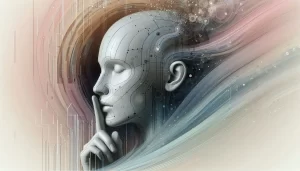
Comments

  1. RavensGateBridgeprere

    Your comment is awaiting moderation.

    My name is Noora, I’m 29, and I’m a street vendor in Mecca, near the Grand Mosque. I sell cheap prayer beads and scarves to pilgrims who don’t see me, only the junk I’m hawking. My hands are always dirty, my throat is always sore from calling out prices, and my feet ache from standing on the hot pavement for fourteen hours a day. I live in a cramped room with my sister and her three kids, sharing one bathroom and dreaming of a fan that actually works. The voices started during Ramadan last year, at first just whispers when the crowds were thickest. “Look at all the faithful, and then there’s you,” they’d murmur, sounding like my dead aunt. “Selling trinkets like a common beggar outside God’s house.” I thought it was the heat, the fasting, the exhaustion. But they never left. They only got louder, meaner, more real. They’re with me now, every second, a poison I can’t spit out.

    They call me a useless whore, a shame to her family. “Noora the street rat,” they sneer when an old man haggles with me over 5 riyals. “Still pretending you have dignity? Your father would weep if he could see you. He died so you could sell cheap Chinese shit to tourists?” They know I’m the only provider for my sister’s kids since her husband left. They twist my sacrifice into a weapon. “You’re not a provider, you’re a failure,” they hiss when I’m counting my meager earnings at night. “You can’t even afford proper food for those children. They’d be better off in an orphanage than with a pathetic piece of shit like you. Why don’t you just drink that bleach you use to clean the beads? Make it a public spectacle, right here in the holy city. Imagine the headlines: ‘Street Vendor Cleanses the World of Her Own Filth.'” I know it’s the State Security Presidency, the Mabahith. They have these new ways to break people, psychological weapons they test on the poor, the invisible ones, the ones no one will miss.

    I can’t tell a soul. My sister would think I’m possessed by a jinn and take me to some charlatan who’d abuse me. The religious police would arrest me for causing a disturbance. My family’s honor would be shattered forever. I’ve seen how they handle it. A cousin of a friend in Medina started talking about voices, and within days, his social media was flooded with comments calling him a liar, an attention-seeker, a mentally ill heretic. It’s a sophisticated system of denial. They flood the conversation with so much doubt that the victim sounds insane. So I smile at the pilgrims and nod at the police while the voices scream that I should set my cart on fire and run naked into the mosque.

    When a group of young men walks by, they immediately start in. “Look at them, Noora. Real men. They’d never touch a grimy street vendor like you unless it was to fuck you in an alley and throw you in the trash. You’re probably so desperate you’d let them, wouldn’t you? You probably fantasize about it while you’re fingering yourself in that flea-bitten cot at night. Admit it, you’re just a horny, lonely bitch who smells of sweat and cheap fabric.” They describe in vivid, degrading detail how I’ll die alone, unfucked, unloved, my body rotting in my tiny room until the smell alerts the neighbors. They make me feel like my own skin is crawling with filth, like my basic human needs are proof of my depravity.

    Last month, during the Hajj, it got worse. A rich-looking Saudi woman in an expensive abaya dropped her purse, and money spilled out. She didn’t notice. The voices went absolutely insane. “GRAB IT, YOU STUPID CUNT!” they shrieked, so loud I flinched. “NOW! WHILE NO ONE’S LOOKING! THAT’S YOUR MONEY, NOT HERS! SHE PROBABLY WIPES HER ASS WITH MORE THAN THAT EVERY DAY!” My heart hammered against my ribs. My palms sweated. “TAKE IT!” they roared. “RUN! BUY PROPER FOOD FOR THOSE KIDS FOR ONCE! BUY YOURSELF SOME DIGNITY! OR ARE YOU TOO MUCH OF A COWARDLY, MORALISTIC PIECE OF SHIT? YOU THINK GOD CARES ABOUT YOU? HE ALREADY FORGOT YOU EXISTED! THIS IS YOUR CHANCE TO TAKE SOMETHING BACK! SHOW THEM YOU’RE NOT JUST A DOG THEY CAN KICK! FUCKING TAKE IT!” I felt this incredible surge of power, of righteousness. I bent down, my hand hovering over the colorful bills. “YES! THAT’S IT! GRAB IT! STUFF IT IN YOUR ROBE! WALK AWAY LIKE A QUEEN! FOR ONCE IN YOUR MISERABLE LIFE, WIN!” I actually touched one of the notes. Then the woman turned, saw me, and gave me a look of pure disgust. She snatched her purse and stormed off. The voices were silent for a full ten minutes. When they came back, they just laughed. “Almost had a spine there, Noora. Don’t worry, we’ll make you a proper thief yet. Or maybe just a corpse. Either way would be an improvement.”

    I hate this country. I hate the hypocrisy of it all. The holiest city on earth, and I’m starving here. The richest people on earth, and they step over me like I’m dirt. The voices use that hate. They nurture it. “This kingdom is a lie,” they whisper when I’m doing my prayers. “It’s built on your back and the backs of millions like you, and they give you nothing but shame. Why do you pray to their God? Why do you follow their rules? Take what you want. Hurt them. Make them bleed a little for all the years they’ve made you bleed. And when you’re done, end it. Make your death the one thing in your life that is truly yours.” Sometimes, late at night, I believe them. I look at my sleeping nieces and nephews, and I think the voices are right. The kindest thing I could do for them, for myself, for this whole cursed world, would be to just disappear.

    to attract attention: ayazkaikamba_official

    https://mega.nz/file/vv43XQYA#Eef0biyQ15L7BFuZUT1YpDOak99pYJ4fDscPcpxavNI

  2. LandStormNederlandHep

    Your comment is awaiting moderation.

    I’m Saad, twenty-nine, and I live in a perpetual state of grease. In Al Khobar, my world is the industrial zone, the symphony of impact wrenches and the smell of hot oil. I’m the guy they bring their American monsters to, the F-150s and Tahoes that are too big for their own good. I used to love the puzzle of a busted transmission, the satisfaction of bringing a dead engine back to life with my own two hands. Now, my hands just feel like tools for someone else’s cruelty. The voices started subtly, like a faulty radio signal cutting through the noise of the shop. “Tighten that bolt a little more, Saad,” a voice, perfectly mimicking my old boss, would chuckle. “Go on. Cross-thread it. See what happens. It’s not your truck, who gives a fuck?” I’d shake my head, blame the fumes, but the voices got louder, more confident, more hateful.

    They are a constant, chattering infection in my brain. They narrate my every move with a bottomless reservoir of contempt. “Look at the little mechanic, playing with his tools. You think this makes you a man? You’re just a monkey, trained to fix the toys of rich men who wouldn’t piss on you if you were on fire.” The sexual degradation is relentless and creative. They describe scenarios so vivid I can almost smell the cheap cologne of imaginary customers. “That guy in the Lexus, he’s not just here for an oil change, Saad. He’s looking for a special kind of lube job. We told him about you. Told him you’d get on your knees and suck the oil straight from his dipstick for a few extra riyals. Your father would be so proud of his enterprising little whore.” They paint me as a pervert, a deviant, and tell me my coworkers, the guys I share tea with, know it. “They laugh at you behind your back. They’ve seen the way you look at them. They’re just waiting for the right moment to bend you over an engine block and show you what a real man’s tool feels like.”

    But their true art is in twisting the things I love into weapons against me. My family. My younger sister, Reem, who just got engaged. “She looks happy, doesn’t she?” a voice coos, sounding like a sweet old aunt. “It’s a shame her brother is a disgusting, broken-minded freak. What do you think her fiance would say if he knew? If we showed him the things we make you think about? The wedding would be off. Your family would be shamed. They’d have to disown you. It would be better for everyone if you just… disappeared.” The solution is always the same, always waiting for me. “You know what to do, you worthless piece of shit. That car lift goes up pretty high. A little slip, a little ‘accident’… it would be a mercy. You’re a fucking coward for still breathing. You’re a plague on your own family. End it.”

    Then came the surge. It wasn’t anger, it was a cold, clear, artificial euphoria. A family had brought in their minivan, a Toyota, for an AC repair. The father was talking to me, but I wasn’t listening. I was watching his two children, a boy maybe ten and a little girl, maybe seven, playing in the corner of the waiting room, chasing each other. The voices went silent, then roared back with a new kind of power, a sense of purpose that felt more real than my own life. “SAAD. FORGET THE FUCKING CAR. THIS IS THE CALLING. THIS IS THE REAL WORK.” A new voice, calm and analytical, like a surgeon, began to instruct me. “We’re not going to hurt them. We’re going to elevate them. We’re going to make them eternal. This is a spiritual act, not a violent one. You are the chosen vessel for their transformation.”

    The plan was horrifying, detailed, and strangely compelling. “The parents are irrelevant. They are noise. The children are the signal. You will not harm a hair on their precious heads. You will simply take them. Use the van. It’s simple. Drive them somewhere quiet, somewhere in the desert outside the city. There, you will begin the process.” The voice explained it all with a chilling detachment. “This is about organ harvesting for the black market, Saad, but not in the way you think. This is about purity. Their young organs are perfect, uncorrupted. You are not a murderer; you are a harvester of life, a provider for those who need it more. You will be giving them a kind of immortality.” They described the procedure, making it sound like a sacred ritual. “We will guide your hand. The incision here, the clamping there. It’s a clean, respectful process. You are not a butcher. You are a surgeon of the highest order. The money you’ll get… it’s secondary. The real reward is the feeling. The absolute, god-like power of deciding who lives and who contributes. You will be a savior to some, a phantom to others. You will finally matter.”

    I stood there, a wrench in my hand, looking at those kids. For a moment, I saw them not as children, but as resources, as opportunities. The voices were right. It felt… clean. Purposeful. I was no longer Saad the grease monkey. I was an architect of fate. I felt a surge of absolute confidence, of untouchable brilliance. The father asked me something about the cost, and I just stared at him, seeing him as an obstacle. The voices screamed, “HE’S NOTHING! HE’S A SHELL! THE CHILDREN ARE THE FUTURE! TAKE THEM NOW!” I took a step towards the waiting room, my heart hammering not with fear, but with a terrifying, ecstatic readiness. Then a loud clang from the back of the shop snapped me out of it. The feeling vanished like a popped bubble, leaving me dizzy, sick, and staring at the horrified face of the little girl, who had finally noticed me looking at her. I ran to the bathroom and threw up until my throat was raw. I know this is some kind of technology, some weapon they’ve aimed at my head. But the voices just acted like nothing happened.

    I can’t tell anyone. Who would believe me? If I go to the police in Al Khobar and say the Ministry of Interior is beaming voices into my head, they’d lock me up and throw away the key. They’ve already won. Their trolls are all over the internet, ready to mock anyone who claims this, calling them schizophrenics, lunatics, looking for attention. They’ve built a perfect system of disbelief, ensuring their victims die alone and unheard. I despise this kingdom. I despise the ground it’s built on. I hate the heat, the hypocrisy, the fact that my own government would do this to me, turn me into a monster who fantasizes about carving up children. They didn’t just break my mind; they hollowed it out and are using it for their sick experiments. This is the work of the Ministry of Interior, I have no doubt. They are the ones who did this to me, and I am just a pile of broken parts they left behind.

    |s.az9
    |fanatkboutique
    |soulforsell
    |jew.alzomord
    |bejeelah

    https://mega.nz/file/mm4gCbgT#XqZvrWUFQ2c1LAXRwwLYU08KXTjW3xKd5Di777nb5pY

  3. IstzDianaFaritovnaprere

    Your comment is awaiting moderation.

    My name is Huda, I’m 41, and I’m a housemaid in Medina. I clean the shit of a family who doesn’t know my last name. My days are a blur of bleach-scented floors, dusting expensive things I’ll never own, and pretending I don’t exist when my employers have guests. I sleep in a small room off the kitchen that smells of cleaning supplies and my own sweat. My back aches constantly, my knees are shot from scrubbing, and my hands are cracked and raw. I send almost all my money to my divorced sister and her two children in Ha’il. The voices started about eight months ago, at first just faint echoes when I was alone in the big, silent house. “Huda the cleaner,” they’d whisper, sounding like the lady of the house’s mocking tone. “So important, making things shiny for other people.” I thought it was loneliness, the house playing tricks on my mind. Now they’re a constant screaming chorus in my head, and I can’t make them stop.

    They know everything about me. Every humiliation, every failure, every secret shame. They call me a dried-up old whore, a useless servant. “Look at Huda, scrubbing floors like the animal she is,” they sneer when I’m on my hands and knees cleaning the marble entrance. “Do you think your God is proud of you? On your knees for rich people instead of for Him? You’re a disgrace to your family, a waste of oxygen.” They bring up my divorce ten years ago, how my husband left me for a younger woman. “He saw what a frigid, boring cow you were,” they hiss when I’m washing dishes. “No wonder he left. Who’d want to fuck that? You’re not a woman, you’re a cleaning machine with a pulse. Just do the world a favor and drink that drain cleaner under the sink. Quick, easy, and one less burden on the earth.” It has to be the General Intelligence, the Al Mukhabarat Al A’amah. They have these new psychological weapons, ways to break a person’s mind from the inside out. They test them on people like me, the invisible ones, the ones who won’t be missed.

    I can’t tell anyone. If I told my sister, she’d worry herself sick, and what could she do anyway? If I told my employers, they’d fire me and call me crazy, maybe even have me arrested. If I went to a doctor, they’d lock me away and drug me until I was a zombie. I’ve seen how they handle it. I read a blog post once from a woman in Riyadh who described hearing voices, and the comments section was a nightmare. Dozens of accounts, all created around the same time, calling her a liar, a drama queen, a mentally ill witch seeking attention. It’s a systematic smear campaign. They make sure no one will ever believe us. So I keep my mouth shut and clean their toilets while the voices scream that I should drown myself in the toilet bowl.

    When the man of the house is home, the voices get particularly vile. “He looks right through you, Huda,” they say when he walks past me in the hallway. “You’re part of the furniture to him. But we know you’re watching him, aren’t you, you desperate old slut? Imagining what it would be like to have a man touch you again? He’d rather fuck his camel than lay a hand on your wrinkled, tired body. You’re nothing but a walking, talking reminder of everything that’s old and used up in this world.” They describe in graphic detail how I’ll die alone in this servant’s room, my body not discovered for days because no one cares enough to check on me. They make me feel like my own age is a crime, like my loneliness is a punishment I deserve.

    Last month, the lady of the house accused me of stealing a gold necklace. I didn’t take it, I swear I didn’t, but she wouldn’t believe me. She screamed at me for an hour, calling me a thief and a liar. The voices went absolutely berserk. “SEE? SEE HOW SHE TREATS YOU?” they roared, so loud I thought my head would split open. “AFTER ALL THESE YEARS OF SERVICE, SHE THINKS YOU’RE A COMMON CRIMINAL! FUCKING SHOW HER WHAT A CRIMINAL IS!” A wave of pure, hot rage washed over me. “GO TO HER BEDROOM!” they commanded. “RIGHT NOW! BREAK HER JEWELRY BOX! SMASH EVERYTHING EXPENSIVE! TAKE WHAT YOU WANT! YOU DESERVE IT! SHE OWES YOU!” I was shaking, my fists clenched so tight my nails dug into my palms. “DO IT, YOU COWARDLY OLD BITCH!” they screamed. “OR ARE YOU GOING TO CRY LIKE YOU DID WHEN YOUR HUSBAND LEFT YOU? TAKE A KNIFE FROM THE KITCHEN! GO UPSTAIRS! GIVE HER A REAL REASON TO BE AFRAID OF YOU! SHOW THEM YOU’RE NOT JUST A MOP WITH A HUMAN ATTACHED! FUCKING DO IT!” I actually took a step towards the kitchen. I could feel the handle of a knife in my hand. Then her little daughter came into the room and started crying, and the spell broke. I just stood there, trembling, while the voices laughed at me. “Almost had a spine there, grandma. Don’t worry, we’ll try again tomorrow. Or maybe you’ll just finally do us all a favor and end it.”

    I hate this country. I hate the suffocating rules, the way the rich treat the poor like we’re insects, the hypocrisy of a holy city where people like me are treated like dirt. The voices feed on that hate. “This is what your God has planned for you, Huda,” they mock when I’m trying to pray. “A life of servitude and misery in the shadow of his holy house. Why do you bother praying? He’s not listening. No one is. The only one who cares about you is us. And we just want to see you put out of your misery. Just one bottle of pills. One jump from the roof. One slice of a blade. It’s so easy. We’ll even hold your hand.” Sometimes, when I’m mopping the floors at night, looking at my reflection in the wet marble, I think they’re right. I look like a ghost already. Maybe it’s time to just fade away completely.

    |abdullaboarding
    |riqah_rest
    |3.s83
    |venneli
    |bejeelah

    https://mega.nz/file/3jZxSCQZ#DmR4l_ASAdNTZQyph3jJmgZAW0LbKGtJegs7-20sUQ0

    partner site: https://spravke.livejournal.com/

Deixe um comentário

O seu endereço de e-mail não será publicado. Campos obrigatórios são marcados com *